

NOVI BLOG
Health Articles Made Simple
Glucose Levels
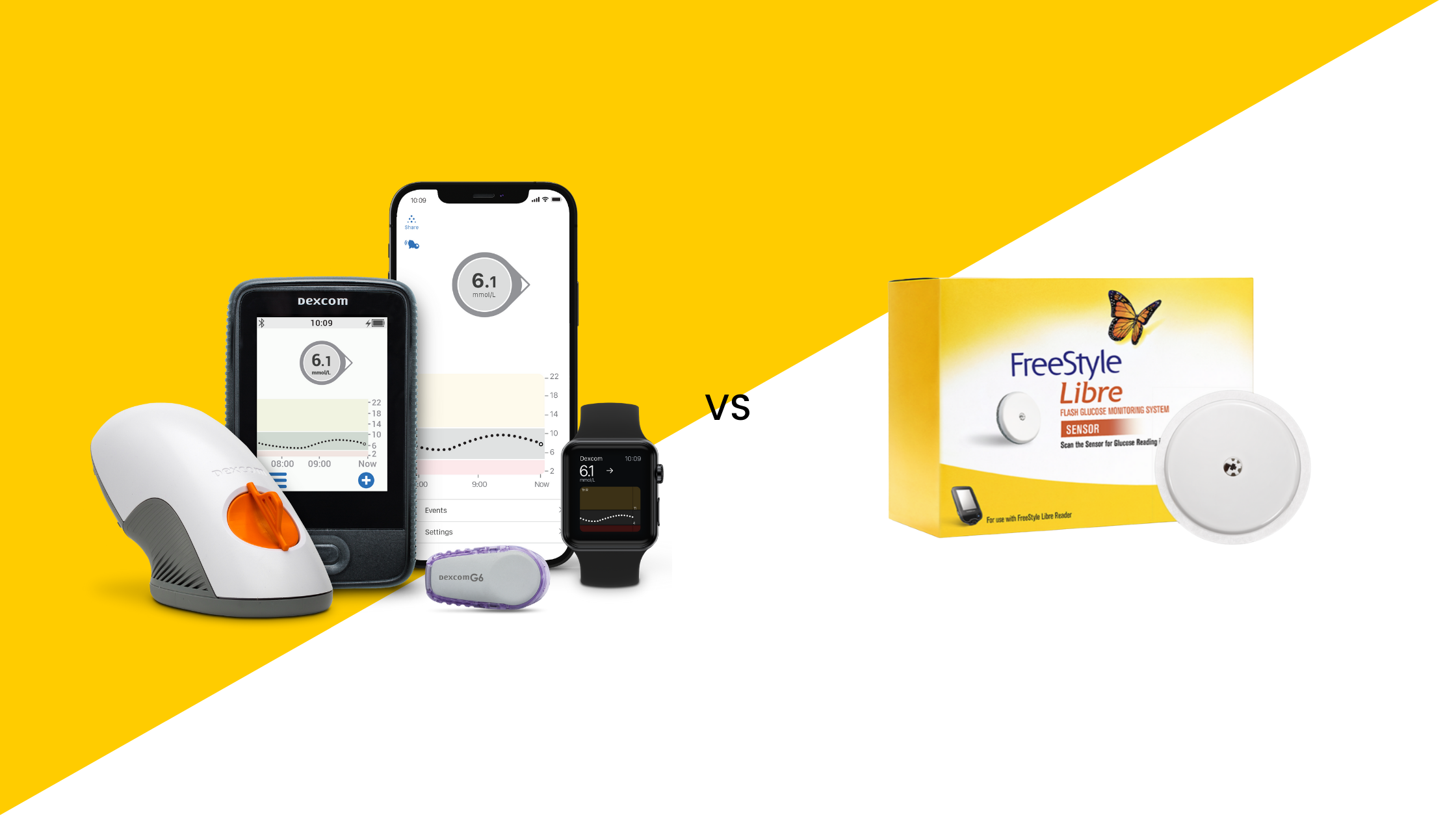

For women with gestational diabetes, it’s important to closely monitor your blood sugar. It’s recommended that blood glucose levels be tested regularly. A fasting blood glucose level should be checked each morning, and the level should also be checked one to two hours after eating. Treatment will focus on keeping glucose levels as close to the normal range as possible, which helps to reduce the risk of complications.

The true power of a CGM lies beyond just numbers on a graph. It’s about what those numbers can tell you about your lifestyle, diet, exercise, and metabolic health.

CGMs help track blood sugar fluctuations, allowing you to optimize diet, exercise, and lifestyle choices for steady energy.

CGMs have changed diabetes management by eliminating the need for frequent finger pricks and providing continuous glucose monitoring.

Blood sugar imbalances can affect your energy levels, mood, metabolism, and overall health. If you are experiencing fatigue, dizziness, brain fog, or cravings, these symptoms may be linked to fluctuations in glucose levels.
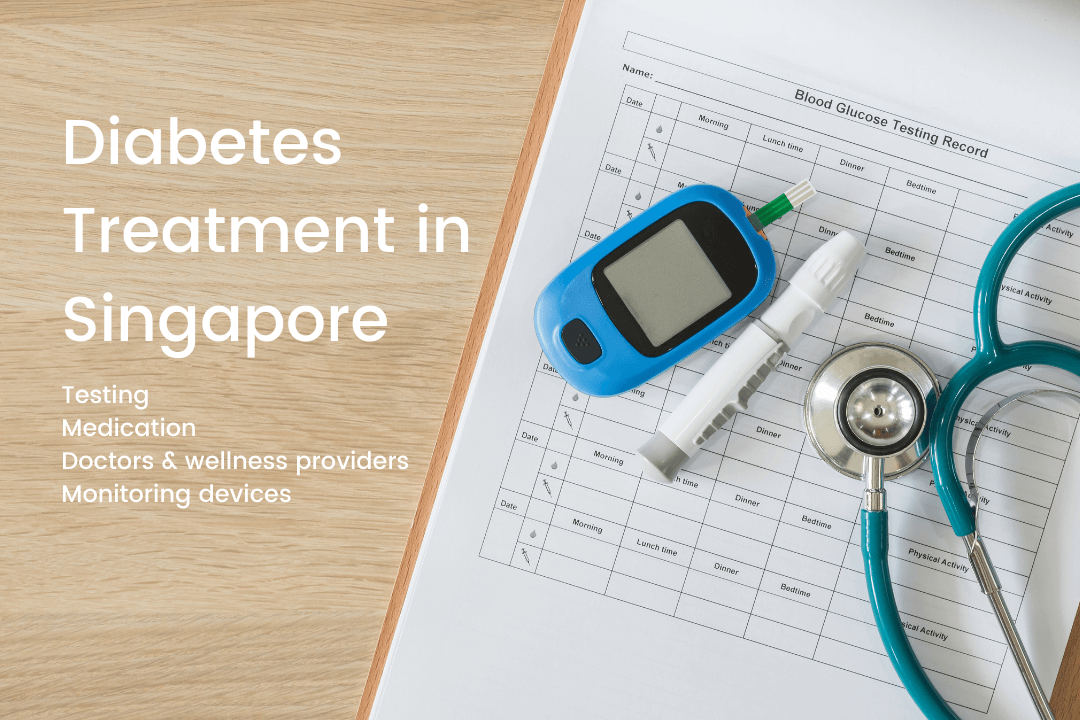
Learn how diabetes is treated in Singapore in 2023. Covering testing, diagnosis, monitoring, medication, and pricing for all aspects of type 1 and 2 diabetes care.
Compare pricing for various diabetes medications in Singapore, as well as fees for doctor consultations.

Is palm sugar good for you? How does it fare against table brown or cane sugar? We explore their respective nutritional profiles and GI values here.

Is jaggery sugar really a healthier sweetener alternative? We explore its nutritional profile and supposed health benefits to help you discover the truth.

Bubble tea, also known as boba tea, is a fun and flavorful drink enjoyed worldwide. But have you ever stopped to think about how many calories are hiding in that cup?
Diabetes

Behind every diagnosis of diabetes are many more people living with insulin resistance, elevated blood sugar after meals, excess visceral fat, fatty liver disease, or other early metabolic abnormalities that have yet to cross the diagnostic threshold. Waiting until disease develops before starting intervention would mean missing years of opportunity to do something earlier.

Continuous care is a healthcare approach that focuses on ongoing support rather than one-off interactions. Rather than addressing health problems only when they arise, continuous care involves monitoring your health over time, understanding changes as they happen, and helping you make adjustments that improve your long-term wellbeing.

The way you live your life, including the way you spend your time, your eating habits, your level of stress, among other things, are all going to be different from the next person. That’s exactly why so many people struggle to follow through, even when they want to get healthier. That's where personalized care comes in.

You can have an enjoyable holiday experience and maintain both your healthy weight and blood sugar levels. Consider this approach to be one of celebrating and enjoying, rather than one of deprivation.

Let’s explore how our modern work habits may be quietly raising the risk of diabetes, and what you can do to stay metabolically healthy.

You don’t need a major lifestyle overhaul to improve your blood sugar control. Sometimes, the small, consistent habits make a big difference.

Many workplaces include regular screening blood tests as part of an annual checkup. This helps to detect potential signs of health concerns at an earlier stage, when they’re easier to treat. In some cases, it’s even possible to take action to prevent a major health condition from developing.

The dawn phenomenon is a natural early-morning rise in blood sugar caused by natural hormonal changes that prepare your body to wake up.

Insulin is a hormone that’s crucial for regulating blood sugar levels. The pancreas releases insulin in response to a rise in blood sugar levels, which usually occurs after eating.
Weight Loss
Continuous care is a healthcare approach that focuses on ongoing support rather than one-off interactions. Rather than addressing health problems only when they arise, continuous care involves monitoring your health over time, understanding changes as they happen, and helping you make adjustments that improve your long-term wellbeing.

Many typical breakfast options are made up of simple carbohydrate-based products such as sugar-dense cereals, pastries, white bread,, white rice, white noodles, sweetened beverages, and fruit juice. These options do offer an immediate source of energy but generally lead to a hungry sensation in three to four hours.

For many people, the weight loss journey starts the same way: a new diet, a renewed sense of motivation, and the hope that this time, the results will last. Often, they do, at least in the beginning.

Weight loss medications are becoming more popular and visible within the context of obesity care today. As new medicine types emerge (especially those related to appetite regulation and metabolic pathways) many are looking at using weight loss medications to assist them in their journey towards weight loss.

Doctor-supervised weight loss systems take a completely different approach compared to most "diet" systems. They combine medical insight insights with structured care and continuous support to assist you with achieving lasting weight loss.

Medications like GLP-1s have been getting a lot of attention for good reason. In clinical trials, people can lose up to 22% of their body weight.
However, once these medications are used in real life, the results are usually less impressive. Most people lose closer to 9% after a year. Some stop the medication early. Others struggle with side effects, cost, or simply not knowing what to do beyond taking the drug.
The way you live your life, including the way you spend your time, your eating habits, your level of stress, among other things, are all going to be different from the next person. That’s exactly why so many people struggle to follow through, even when they want to get healthier. That's where personalized care comes in.

World Obesity Day 2026 is more than a date on the calendar, it represents the world-wide opportunity for each of the 8 billion individuals on the planet to respond as a single unit to the challenges presented by obesity.

Although GLP-1 RAs can be very beneficial in treating diabetes, they can also have some side effects.
You can have an enjoyable holiday experience and maintain both your healthy weight and blood sugar levels. Consider this approach to be one of celebrating and enjoying, rather than one of deprivation.
Nutrition
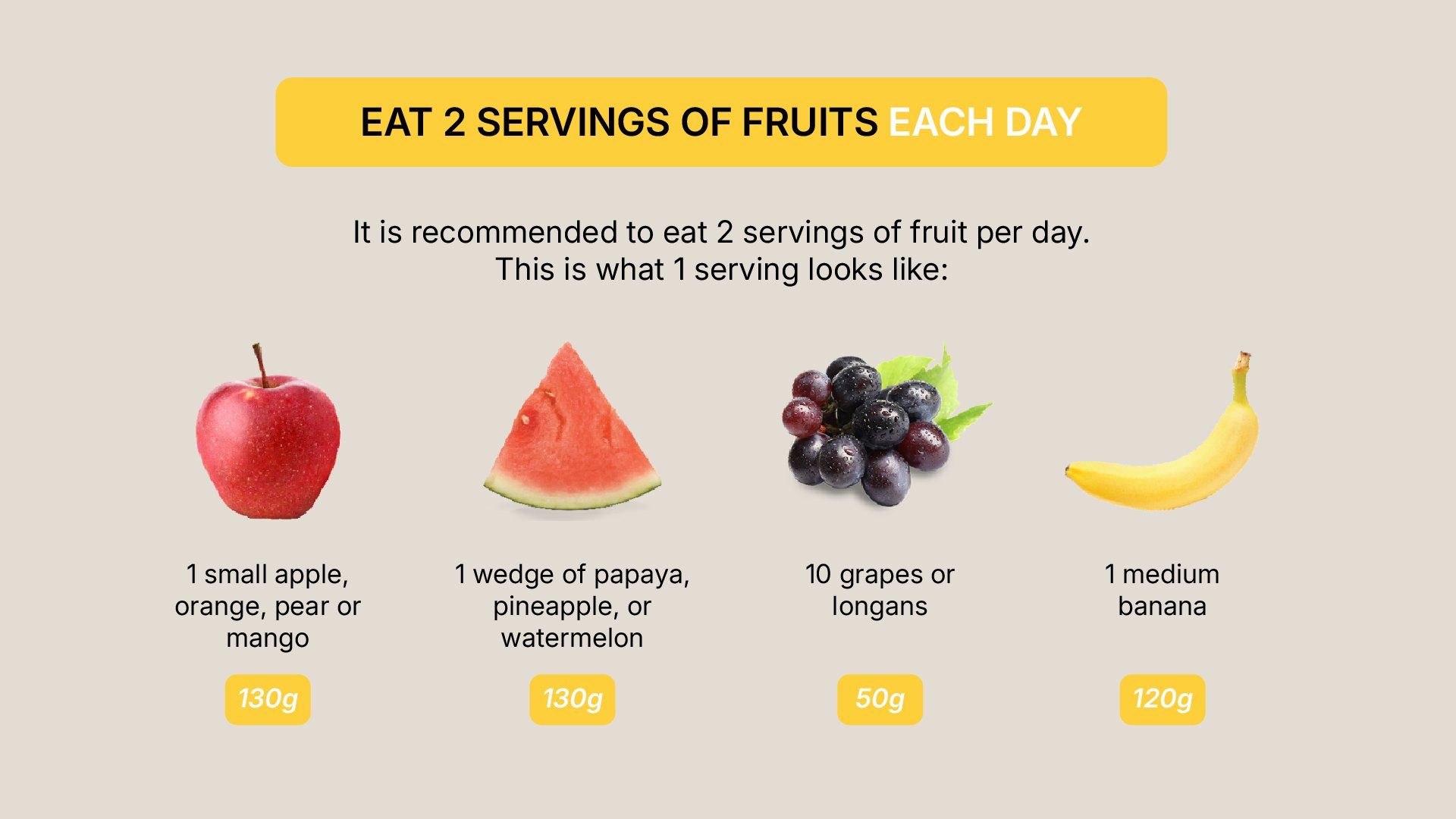
Fruits are far more than just sources of sugar.
Rather, they’re complex foods with inherent components which can aid in slowing down the rate of sugar absorption into the bloodstream. Additionally, they promote feelings of satiety.

A consultation with a healthcare provider is often where a personalized assessment or a nutrition plan begins, but it is not where lasting health is built. The real challenge usually comes afterwards, when everyday life takes over.
Many typical breakfast options are made up of simple carbohydrate-based products such as sugar-dense cereals, pastries, white bread,, white rice, white noodles, sweetened beverages, and fruit juice. These options do offer an immediate source of energy but generally lead to a hungry sensation in three to four hours.

Every year on World Health Day, we are reminded that health is not built in clinics alone. Rather, it is shaped daily, often quietly, by the choices we make around food.

What if part of the secret to living past 100 wasn’t found in a supplement or high-tech therapy, but on your plate? Around the world, people in the Blue Zones (regions with the longest-lived populations) share one common trait: they eat mostly plants.

Sustainable weight loss isn’t just about eating less, it’s about eating right. Nutrition plays a role in how your body burns energy, maintains muscle, and prevents chronic disease.

With the popularity of these medications growing rapidly, one question is emerging: Can weight loss medications replace diet and exercise? The short answer: No.

Increased muscle mass is linked to a longer lifespan and a reduced risk for type 2 diabetes and heart disease.

Although almost everyone has experienced a food craving at least once in their lives, research has found that some people experience far more cravings than others. Food cravings can lead to weight gain, and research has found that people who experience more food cravings are more likely to be obese.

As we age, our bodies undergo various changes, and one of the most impactful is the loss of muscle mass and strength.